
Amboli Waterfall — Maharashtra's Most Enchanting Cascade
Amboli Waterfall — The Crown Jewel of Maharashtra's Western Ghats
If there is one destination in Maharashtra that genuinely rewards the traveller who seeks unspoiled nature, raw beauty, and the kind of silence that only mountains and falling water can offer — it is Amboli Waterfall. Tucked deep within the verdant folds of the Sahyadri Hills in Sindhudurg district, this magnificent waterfall is not just a tourist spot. It is an experience — one that stays with you long after the mist has dried from your clothes and the sound of crashing water has faded from your ears.
Whether you are a monsoon chaser, a wildlife enthusiast, a trekking lover, or simply someone craving a break from the city — Amboli Waterfall will not disappoint.
Where Is Amboli Waterfall?
Amboli Waterfall is situated in the hill station of Amboli in southern Maharashtra, nestled in the Sahyadri Hills at an altitude of 690 metres above sea level — and is counted as one of the ecological hotspots of the world due to its unusual species of flora and fauna. Tripadvisor
Amboli is the last hill station before the coastal highlands of Goa begin Holidify, making it a unique geographical treasure that bridges the Deccan Plateau with the lush Konkan coastline. The Amboli Waterfall is just 3 kilometres from the bus stand and attracts tourists from far and wide.
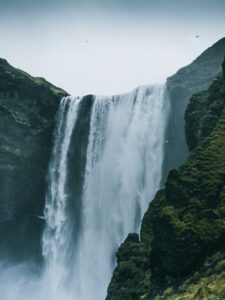
The Waterfall — What Makes It Special?
At 400 feet high, the Amboli Waterfall might not be the tallest, but it is exceptionally voluminous — largely because Amboli receives the highest rainfall in Maharashtra. Indian Holiday Trip That sheer volume of water, thundering down the rocky Sahyadri terrain, is what sets it apart from dozens of other waterfalls in the region.
It is not some flashy, commercial place — it is real, accessible yet tucked away, with the Western Ghats’ wild beauty all around. Maharashtra Tourism In the monsoon months, the falls crash down with raw, breathtaking energy, surrounded by misty trees and rolling green hills. Outside of the monsoon, the waterfall becomes calmer and quieter — almost meditative — inviting you to simply sit, breathe, and be present.
There are steps built along the right side of the waterfall, making the approach safe and accessible. Visitors can go up to the waterfall, enjoy the panoramic view from the front, and even take a dip in its waters. Tripoto The combination of accessibility and natural drama makes it ideal for families, couples, solo travellers, and photographers alike.
While enjoying the beauty of the waterfall, visitors can also try local snacks like Sabudana Vada, Onion Bhaji, and roasted corn (bhutta) Holidify from the stalls just 50 metres away — adding a delicious Konkan flavour to the whole experience.
Amboli — The Cherrapunji of Maharashtra
To understand the waterfall, you must first understand the land it comes from. The main attraction for tourists is the incredibly high average annual rainfall of 7 metres per year, and the numerous waterfalls and mist that characterise the monsoon season. Theindia This extraordinary rainfall has earned Amboli its beloved nickname — the Cherrapunji of Maharashtra.
Amboli lies in the Western Ghats of peninsular India, one of the world’s recognised ecological hotspots, and it abounds in unusual flora and fauna. Theindia Historically, Amboli village came into being as one of the staging posts along the road from Vengurla port to the city of Belgaum, extensively used by the British to supply their garrisons in south and central India. Theindia The British also discovered its cool climate as a welcome retreat from the coastal heat — a tradition that travellers continue to this day.
Wildlife & Biodiversity Around the Waterfall
Amboli Waterfall is not just water and rocks — it is the centrepiece of one of India’s most biodiverse ecosystems. Amboli is a treasure trove of biodiversity, hosting over 35 mammal species, 200 bird species, 150 butterfly species, and more than 45 species of reptiles and amphibians. Unique creatures like the Malabar gliding frog, the Malabar pit viper, and the endangered Amboli bush frog thrive in the region, making it a haven for wildlife enthusiasts and researchers. Wikipedia
For birdwatchers, early morning walks near the waterfall and forest trails reward patience with sightings of the Malabar pied hornbill, kingfishers, and dozens of endemic Western Ghats species. Even first-time wildlife spotters are often surprised by the richness of life tucked into every corner of this misty, forest-draped landscape.
Best Time to Visit Amboli Waterfall
Monsoon (June – September): This is when Amboli Waterfall is at its most powerful and awe-inspiring. The best time to visit the Amboli Waterfall is in the monsoon season since the waterfalls are in their prime during this time and the water gushes in plenty — ideally between June and September. Tripadvisor September in particular is considered peak waterfall season. Note that paths can be slippery during heavy rains — wear shoes with a good grip.
Post-Monsoon (October – November): The waterfall still flows strongly, the greenery is at its most lush, and the weather is pleasantly cool. Fewer crowds make this an excellent time for photography and peaceful exploration.
Winter (December – February): The weather in winter is pleasant and ideal for sightseeing. Maharashtra Tourism Water flow is reduced compared to monsoon but the crisp air and clear skies make this a favourite with trekkers and birdwatchers. Temperatures range from 15°C to 18°C.
Summer (March – May): The quietest time to visit — fewer tourists, warm days, and a peaceful ambience. The waterfall flow is reduced but the surrounding forest trails and viewpoints are fully accessible.
Things to Do at & Around Amboli Waterfall
Take a Dip: One of the most popular activities — the pool at the base of the falls is refreshing and clean. A changing room facility is provided by the Gram Panchayat at a nominal cost of ₹10 per person. Tripadvisor
Photography: The falls, the mist, the surrounding forest canopy, and the rocky terrain together create endlessly photogenic compositions at every season and every hour of the day.
Nature Walks & Trekking: The Amboli Ghat offers various trekking trails ranging from easy to difficult, and you can hire a guide to learn more about the natural and historical significance of the place. Tour My India
Visit Nangarta Falls: A lesser-known cascade approximately 10 km from the main waterfall — quieter, wilder, and ideal for those who want to escape the crowds entirely.
The Reverse Waterfall at Kavalshet Point: A unique natural phenomenon that occurs during the monsoon season when strong winds push the waterfall’s flow upwards, creating the illusion of a “reverse” waterfall — one of the most talked-about sights in all of Amboli.
Explore Hiranyakeshwar Temple: This sacred temple dedicated to Lord Shiva is located near a spring that originates from a cave Tour My India, just 5 km from the waterfall. Peaceful, historically significant, and architecturally beautiful.
Jungle Safari: Amboli Ghat is home to diverse flora and fauna, making it a great place for jungle safaris and guided nature walks where visitors can explore the rich biodiversity and learn about the ecological importance of the Western Ghats.
How to Reach Amboli Waterfall
Air Plane
The nearest airport is Dabolim in Goa, located about 101 kilometres away. From the airport, you can hire a taxi or take a bus to Amboli.
Train
The closest railway station is Sawantwadi Road, situated around 37 kilometres from Amboli.
Car
Amboli is well-connected to cities like Belgaum (68 km), Kolhapur (113 km), and Panjim (90 km) via state highways.
Visitor Tips — What to Know Before You Go
- Wear grip shoes — rocks near the waterfall become extremely slippery during monsoon
- Avoid visiting on public holidays as the attraction becomes particularly crowded on these days Tripadvisor
- Carry cash — there are no ATMs in Amboli; the nearest are in Sawantwadi
- Carry leech protection — leech socks or salt are advisable during monsoon forest walks
- Arrive early — the waterfall is best experienced in the morning before the crowds arrive
- Avoid taking selfies near waterfall edges or steep cliffs, and carry rain gear, a first-aid kit, and insect repellent Wikipedia
- Book accommodation early — especially June through September when Amboli fills up fast
Why Amboli Waterfall Should Be on Your Bucket List
In an era of over-touristed destinations and Instagram-manufactured experiences, Amboli Waterfall remains gloriously real. During the monsoons, Amboli Ghat transforms into a lush green paradise, adorned with numerous waterfalls that cascade down the Western Ghats, creating a mesmerizing sight. Wikipedia
It is a place where you can stand under a waterfall, spot a rare frog on the walk back, eat hot bhaji from a roadside stall, and watch the mist roll across forested hills — all in one afternoon. Few places in India offer this kind of layered, unfiltered natural experience so close to major cities and so far removed from the ordinary.
Whether you are driving up from Goa for a day trip, planning a monsoon weekend escape from Pune, or simply following the road wherever it leads — Amboli Waterfall will stop you in your tracks and remind you what travel is supposed to feel like.
Stay just minutes from the waterfall at Amboli Hill Resort — your perfect base for exploring everything Amboli has to offer.